
A single-vineyard wine comes from one entire vineyard. A single-parcel wine comes from one special part of a vineyard, and a single-block wine comes from just one block planted to a single clone. The narrower the focus, the more specific the wine—and our single-block wines are also our most age-worthy.
At Emeritus, we are obsessed with our vineyards. Many of our team members even live on them! Because we are a 100% estate winery (meaning we own all of our vineyards), we have the luxury of getting to know every block, every clone, and every corner of our vineyards. We gather this knowledge because it informs how we farm each block and approach winemaking. This was my dad’s vision: an estate program that rivaled those in Burgundy, producing the highest-quality wines from our vineyards.
What is a single-vineyard wine?
A single-vineyard wine is made by blending wine from the entire vineyard. Our Hallberg Ranch and Pinot Hill wines both represent an entire vineyard, combining multiple blocks and clones to create an expression of the vineyard in each vintage.
Keith will tell you that blending these wines from many different blocks, clones, and barrels is one of the hardest things he does all year. They are also the wines he is most proud of because of that process. It requires a deep knowledge of the sites and a vision for what the wines will become.
What is a single-parcel wine?
Going a step further, we have three wines that blend just a few clones and blocks to tell the story of a unique area of a vineyard, or parcel. We’ve found that these areas have something special and unique to say.
We make three wines in this style: Pinot Hill East, Pinot Hill West, and Wesley’s Reserve from Hallberg Ranch. Part of the Wesley’s Reserve parcel is visible on the left side of the road in the photo at the top of this post. Keith approaches these parcels differently to enhance their natural character. For example, in Wesley’s Reserve, Keith includes some of the grape cluster stems in the fermentation tank. This is the only part of the vineyard where he does this. We’ve found that the small amount of stem really amplifies the rustic character of this parcel.
What is a single-block, single-clone wine?
Then we get to our hyper-focused single-block wines. Each is a unique expression of a single block planted to one clone, often a heritage clone. But not every block and clone can produce a complete wine or one that is unique enough to deserve its own bottle.
We make five single-block wines: two from Pinot Hill and three from Hallberg Ranch. We approach these blocks differently in both farming and winemaking. Each spring, Riggs and his team thin the clusters in these blocks to half the number found elsewhere on the ranch. This concentrates the flavors and enhances each block’s character.
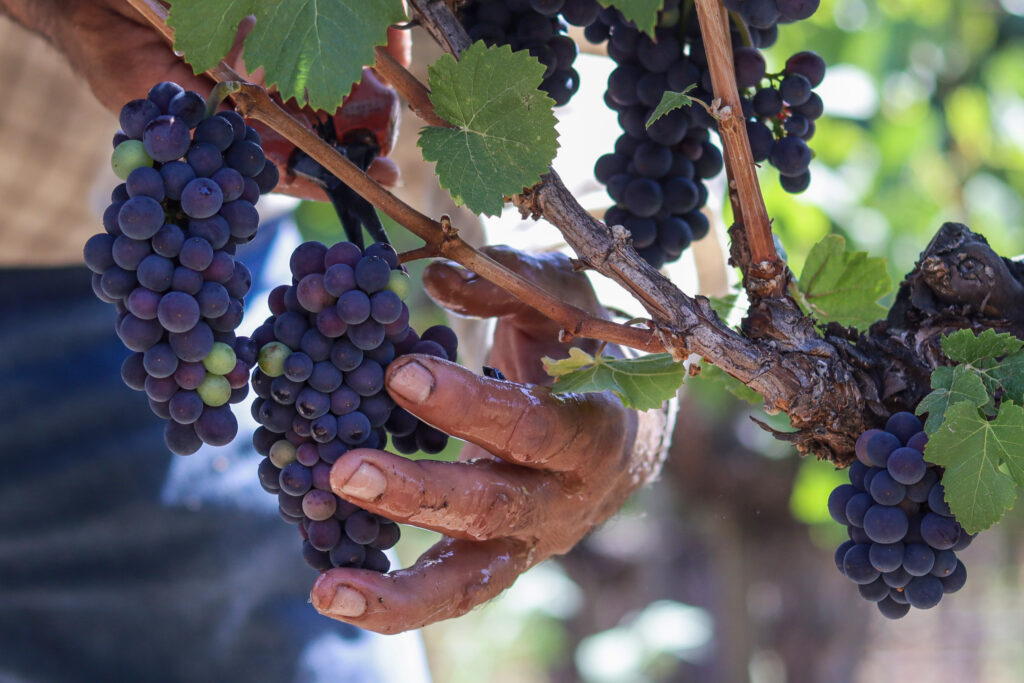
Keith approaches these blocks with the utmost care, too. He prioritizes picking them at optimal ripeness and thoughtfully selects barrels for these wines from each of our coopers.
We find that the deep concentration and complexity of these wines make them our most age-worthy bottles. For this reason, we age them in bottle longer before releasing them. Their evolution in bottle is slower than that of our other wines, and often more interesting.
Why does estate-grown matter?
Because we own our vineyards and control how they are farmed, we’re able to make wines that express their place. It’s sometimes hard to imagine how ten red Pinots from just two vineyards could be so different from one another. That’s the magic of Pinot Noir and why we are committed to being an estate winery. This kind of focus and hyper-local winemaking is difficult to achieve without this level of ownership and control.
Of course, I’ll never fail to mention that it’s not just our special terroir that makes these wines possible; it’s also our people. Without the dedication, history, and vision of our team, we wouldn’t be able to coax such unique expressions from these blocks.
What about the label colors?
The colors on our labels correspond to the type of wine, with one exception! Copper-colored labels indicate single-block wines. Gold labels indicate single-parcel wines, and silver labels are used for single-vineyard Hallberg Ranch.
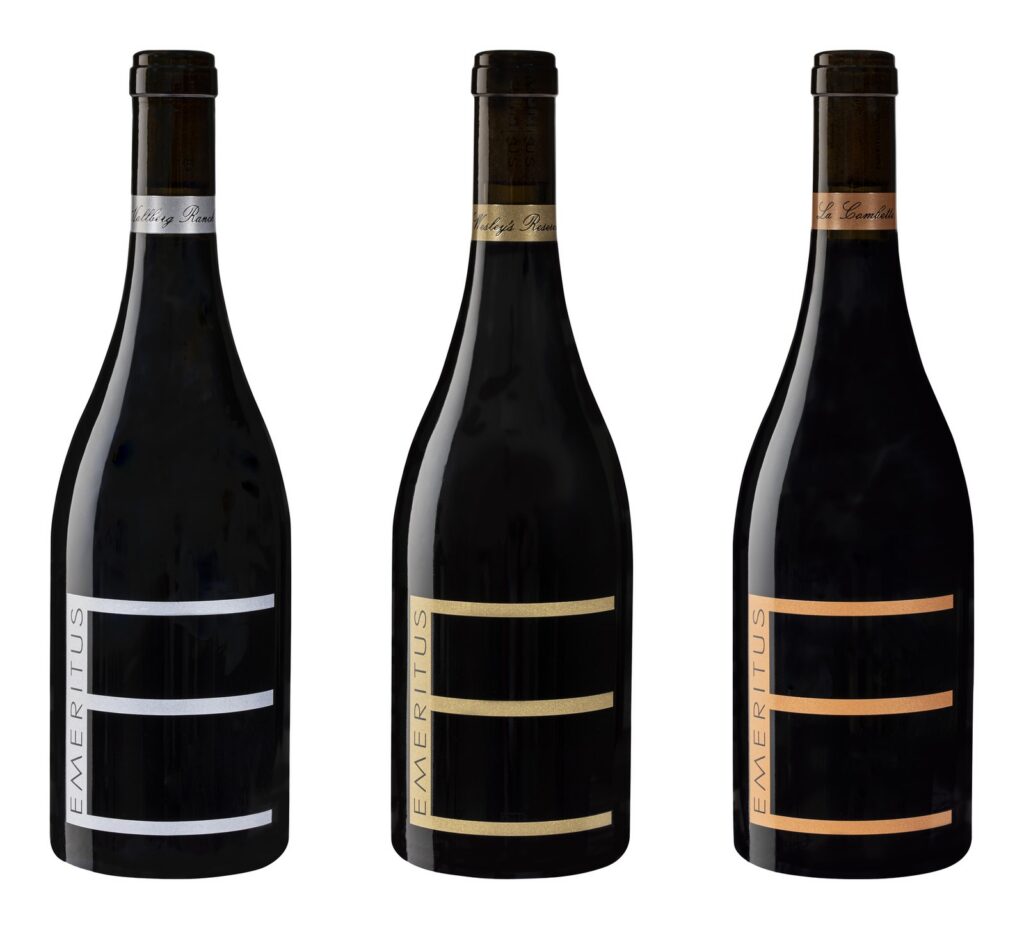
The exception is Pinot Hill, a single-vineyard wine with a gold label. When we first began bottling wine from the vineyard, we hadn’t yet started making single-parcel wines. We chose a gold label for Pinot Hill to distinguish it from Hallberg Ranch’s silver label. As we came to understand the distinct character of our vineyards more deeply, we began making single-parcel wines—but we never changed the color of the Pinot Hill label.

